December 19, 2025
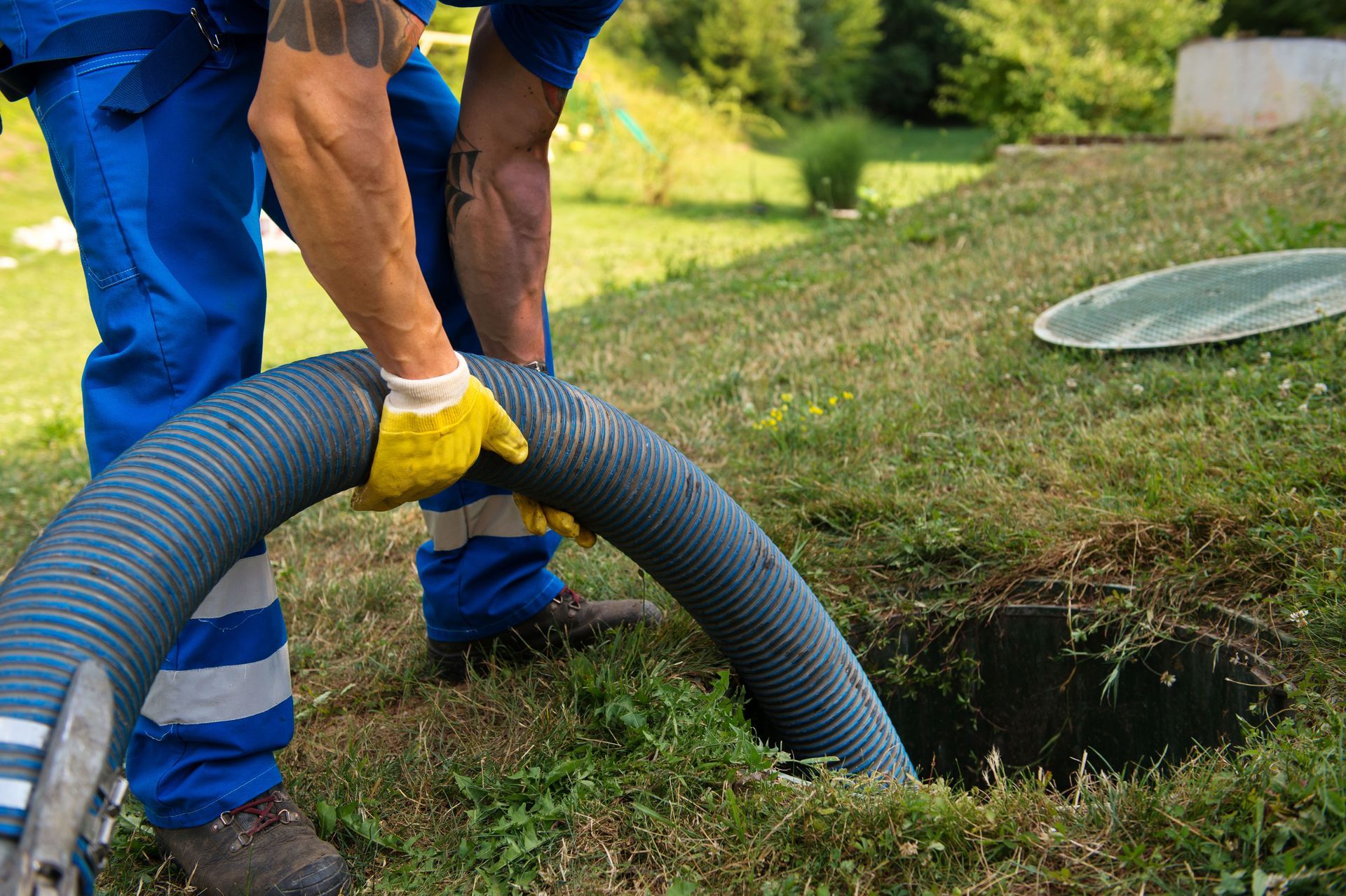
In this article, we will explore the critical warning signs indicating that your septic tank may be in need of repair. Identifying these signs early can help prevent more serious issues and costly repairs down the line. By paying attention to subtle changes and being proactive, homeowners can maintain their septic system more effectively and reduce the likelihood of unexpected problems.
Detect Unpleasant Odors Around the Yard
Understanding Potential Odors and Their Sources
Unpleasant odors emanating from your yard can be an indicator of a malfunctioning septic system. Key factors contributing to these odors include leaks from the tank or its pipes, which can result in smells seeping into the surrounding soil and air. Odors may vary in intensity and can sometimes be intermittent, making careful observation important. Environmental conditions such as wind direction or recent rainfall can also affect how noticeable these odors are.
Following the Process for Investigating Odors Effectively
To pinpoint the source of these odors, check for any wet areas or discoloration around the yard that may indicate leaks. Carefully inspecting the tank and surrounding area can help you determine if the odor is septic-related or stemming from another source. Taking notes about the frequency, location, and strength of the smell can provide helpful information when a professional comes to assess the system. Even small, occasional odors should be monitored over time to detect patterns or changes that could indicate an underlying problem.
Address Slow Drains in the House
Identifying Specific Drainage Issues and Patterns
Slow drains in your home can signal issues with your plumbing system, including potential septic tank repair needs. If multiple drains are affected, it may indicate a clog in the main line or a failing septic tank that requires attention and professional repair. Observing which drains are slow, whether sinks, showers, or toilets, can give clues about the location and severity of the problem. Regular monitoring of drain speed over time can also help determine if the issue is worsening gradually or appearing suddenly.
Implementing Step-by-Step Methods for Resolving Slow Drains
If you experience slow drains, the first step is to attempt to clear them using a plunger or drain cleaning methods. However, if the problem persists or worsens, it is advisable to contact a professional to evaluate your septic system and perform necessary septic tank repair. In addition to clearing blockages, maintaining consistent care for drains, such as avoiding disposal of large debris down sinks, can help reduce the frequency of slow drainage and prolong the life of your system.
Identify Pooling Water or Wet Spots
Observing Problem Areas With Increased Moisture
Pooling water or unusually wet spots in your yard can be a clear sign of septic tank repair needs. Such areas may form where the tank is leaking, causing the effluent to rise to the surface and create soggy ground. These spots may not always appear in the same location and can shift over time as water flows along natural gradients in the yard. Careful observation and documentation of affected areas can help professionals accurately assess the condition of your system.
Assessing the Impact of Pooling Water on Property Health
Pooling water can create hazards for walking and may damage landscaping or vegetation. Timely septic tank repair helps maintain a safe and visually appealing yard. Even small, consistently damp patches can affect grass growth, soil stability, and overall outdoor aesthetics. Maintaining awareness of these areas and addressing them early helps preserve both the usability and the appearance of your property.
Examine Bright Green Grass Over Septic Area
Recognizing Reasons for Unusually Vibrant Grass
Bright green grass or unusually lush patches over your septic tank or drain field can be misleading. Excess nutrients from leaks or overflows can enrich the soil, causing these patches. The difference in grass color may become more noticeable during dry periods or seasonal changes, which can make it easier to identify areas potentially affected by the septic system.
Determining When Lush Growth Indicates a Problem
Consistently vibrant growth may indicate underlying septic issues. Observing these areas can help homeowners detect early warning signs and seek professional evaluation. Documenting changes in grass growth over time and comparing them to unaffected areas of the yard can provide useful insight when determining whether further investigation is needed.
Recognize Gurgling Sounds in Pipes
Understanding Causes of Persistent Gurgling Noises
Gurgling sounds in your pipes can indicate blockages or issues within your plumbing system, sometimes related to septic tank repair. These noises often arise when air is trapped due to inadequate drainage or a malfunctioning tank. The frequency, timing, and location of gurgling sounds can vary, so keeping a brief record can help identify patterns and assist a professional in diagnosing the source more effectively.
Evaluating the Severity and Implications of Gurgling
Consistent gurgling when using plumbing fixtures may signal a septic-related problem. Prompt professional attention can prevent backups and more extensive repairs. Paying attention to subtle changes in water flow or the timing of these noises can help catch issues early before they become more complex and costly to repair.
Respond to Backup in Toilets or Drains
Differentiating Minor Versus Major Backup Situations
Experiencing a backup in toilets or drains can be both frustrating and alarming. Minor backups might be resolved by plunging, whereas major backups may indicate septic tank repair needs requiring professional intervention. Observing whether backups are isolated to a single fixture or widespread can provide valuable information when troubleshooting the cause.
Taking Immediate Actions to Mitigate System Stress
If you encounter a backup, check for pipe blockages and reduce water usage temporarily. If problems persist, contact a professional to evaluate your septic system and determine necessary repairs. Taking care to minimize water flow during a backup can help prevent further stress on the system and reduce the risk of damage to plumbing fixtures or the surrounding area.
Monitor Changes in System Performance Over Time
Understanding Gradual Wear and Tear in Components
As septic systems age, components such as pipes, connections, or the tank itself can experience gradual wear. This can lead to issues like reduced drainage efficiency, damp areas in the yard, or unusual noises within the plumbing system. Identifying these changes early can help prevent more extensive damage. Even systems that have functioned well for many years may show subtle signs of wear that become more noticeable over time.
Scheduling Professional Inspection Based on Observed Changes
If you begin to notice new or recurring issues, including slow drains, odors, or wet spots around the yard, it may be time to have the system evaluated. A qualified professional can determine whether repairs are needed and help restore proper function. According to the Pennsylvania Public Utility Commission, about 10% of U.S. homes have leaks wasting at least 90 gallons of water every day, which can add up to almost 30,000 gallons per year in a single home. Scheduling inspections periodically, even before major problems arise, can provide peace of mind and help homeowners maintain a reliable system.
Homeowners can monitor for standing water, gurgling sounds, or recurring backups, all common indicators that components of the system may need repair. Addressing these signs promptly helps prevent more serious complications. Taking the time to note any irregularities in plumbing performance or yard conditions can greatly aid professionals in accurately diagnosing and resolving potential issues. Keeping an eye on these warning signs can help you stay ahead of potential septic tank repair needs. To explore solutions for septic tank repair, drainage, or other plumbing needs in Omaha, learn more by contacting Premier Plumbing.