January 20, 2026
Plumbing businesses are a foundational part of how residential and commercial properties function day to day. From delivering clean water to safely removing waste, these systems support comfort, sanitation, and long-term property performance. A working plumbing system affects everything from daily routines to business operations, making it essential for property owners to understand how these systems operate and why professional care matters. Even minor disruptions can impact safety, efficiency, and overall property value if left unaddressed. As buildings grow more complex and usage demands increase, the role of reliable plumbing services becomes even more important, setting the stage for a closer look at how plumbing systems work and what they require to stay efficient over time.
Explore the Evolution of Plumbing Systems
Plumbing systems have developed alongside human civilization, beginning with early methods designed to move water for survival and sanitation. Ancient communities such as the Indus Valley implemented structured drainage systems, while Roman engineering introduced aqueducts and early piping networks to support expanding cities. These developments laid the groundwork for modern plumbing, which advanced rapidly during the centuries as urban populations grew and public health standards improved. Today’s plumbing systems reflect centuries of innovation focused on efficiency, safety, and long-term reliability.
Identify the Core Components of Plumbing
Every plumbing system relies on a combination of interconnected components that work together to move water safely and efficiently. According to This Old House, every home plumbing system consists of three main components: supply lines, waste lines, and vent systems. Supply lines bring clean water into the building, waste lines carry used water away, and vent systems regulate air pressure so drainage functions properly. When these elements work together as intended, plumbing services support balanced performance across residential and commercial environments.
Compare Residential and Commercial Plumbing Systems
Residential and commercial plumbing systems serve different purposes based on scale and usage demands. Residential systems focus on individual household needs such as kitchens, bathrooms, and laundry areas. Commercial systems support higher volumes of water use and must accommodate restrooms, kitchens, and specialized equipment across larger facilities. Because of these differences, commercial plumbing systems often require stronger materials and more complex layouts to manage continuous operation without disruption.
Recognize the Role of Plumbing in Daily Life
Plumbing impacts nearly every part of modern living, from cooking and cleaning to sanitation and comfort. Reliable plumbing services allow properties to function safely while supporting health standards through proper waste removal. When plumbing systems operate efficiently, they reduce the risk of water damage, contamination, and unexpected interruptions. This consistent performance supports daily routines while protecting the long-term condition of a property.
Learn Common Plumbing Terminology
Understanding basic plumbing terminology helps property owners communicate more effectively when concerns arise. Terms such as trap, vent, main stack, and fixture unit describe essential parts of the system. A trap holds water to block sewer gases, vents regulate airflow, and the main stack serves as the primary drainage path. Familiarity with these terms makes discussions about plumbing repairs clearer and more productive.
Maintain Residential Plumbing Systems Consistently
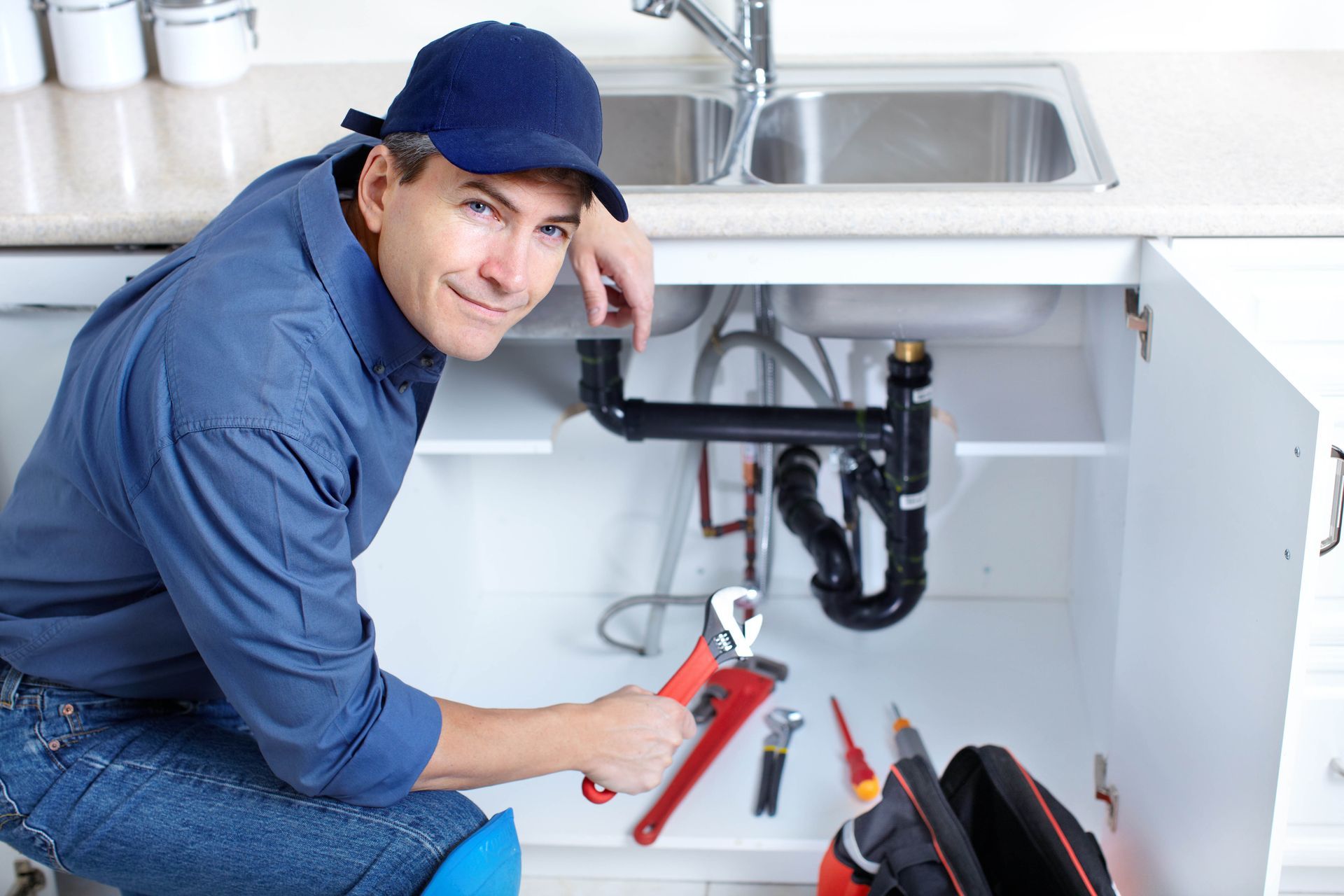
Routine inspections and maintenance help residential plumbing systems operate smoothly over time. Monitoring water flow, drainage performance, and sump pumps can prevent small concerns from becoming larger disruptions. Consistent attention to system performance supports efficiency while reducing unexpected repair needs. Ongoing care helps residential properties maintain dependable water access and waste removal year-round.
Address Common Residential Plumbing Concerns
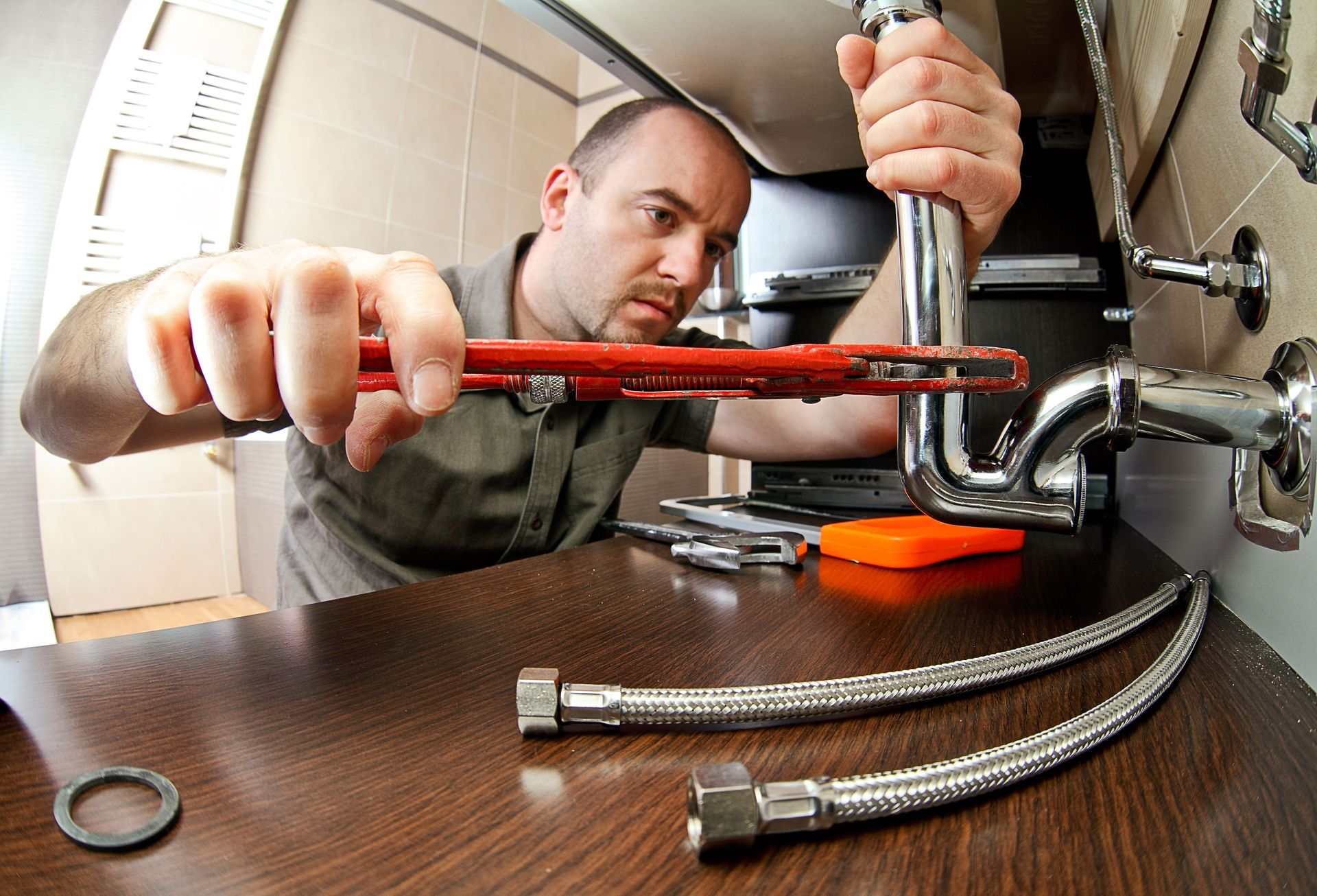
Residential properties may experience issues such as drainage buildup, water pressure fluctuations, or sewer line concerns. Drain cleaning and sewer line repair help restore proper flow when blockages occur. Addressing these issues promptly protects fixtures, piping, and surrounding structures. Timely plumbing services reduce the likelihood of property damage and maintain consistent system operation.
Support Proper Installation and Repairs
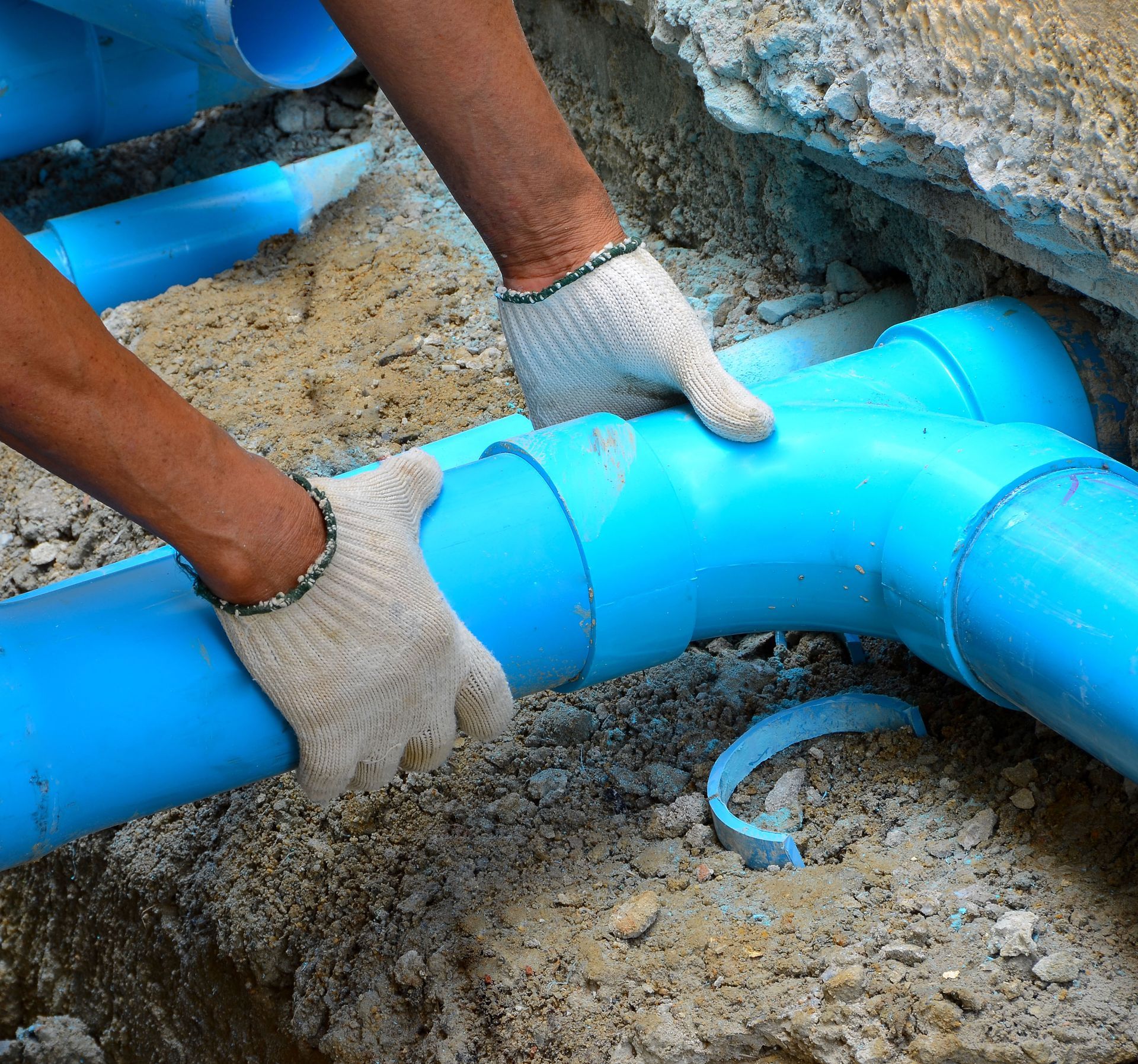
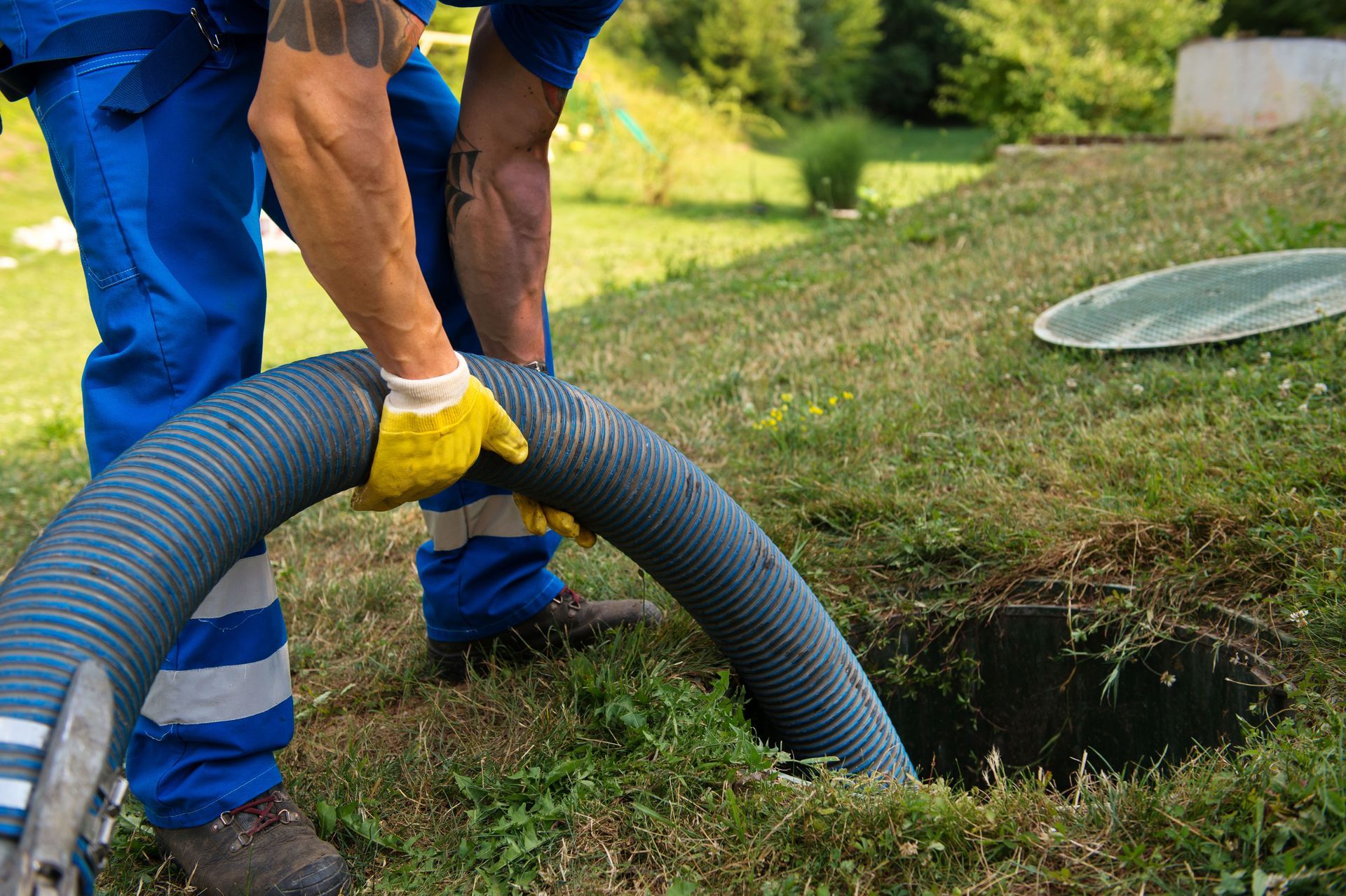
Correct installation plays a major role in the lifespan of plumbing systems. Residential sewer and septic installation must align with property layouts and usage needs to ensure proper function. Over time, wear may require targeted repairs to restore efficiency. Accurate repairs protect system integrity and help maintain compliance with applicable plumbing standards.
Respond to Residential Plumbing Emergencies
Unexpected plumbing events such as sewer backups or pump failures require immediate attention to prevent further damage. Sump pumps play a critical role in managing excess water and protecting the lower levels of a property. Fast response limits disruption and supports a quick return to normal operation. Planning for these situations helps reduce stress when urgent plumbing services are needed.
Understand Commercial Plumbing System Demands
Commercial plumbing systems operate under higher demands due to increased usage and continuous activity. Businesses rely on consistent water access and dependable drainage to maintain daily operations. Commercial sewer and septic installation must account for volume, layout, and regulatory requirements. Proper planning ensures these systems remain reliable under constant use.
Apply Advanced Commercial Plumbing Methods
Larger plumbing systems require specialized approaches to address scale and complexity. Grease trap services help manage waste buildup in food service environments, while drain cleaning supports uninterrupted flow across commercial properties. These methods help maintain system performance while minimizing downtime that could affect operations.
Resolve Common Commercial Plumbing Issues
Commercial properties often face challenges such as sewer blockages, pipe deterioration, or drainage inefficiencies. Regular evaluations and maintenance help identify concerns early. Addressing these issues through structured plumbing services helps businesses avoid interruptions and maintain a safe environment for employees and customers.
Schedule Preventive Commercial Maintenance
Scheduled maintenance supports long-term system reliability in commercial settings. Regular inspections, drain cleaning, and performance checks help reduce unexpected disruptions. Preventive care supports compliance and protects investments in infrastructure while keeping systems operating efficiently.
Follow Plumbing Codes and Standards
Plumbing codes establish requirements for system installation, repair, and maintenance to protect public health. These standards guide material selection, system layout, and performance expectations. Compliance ensures plumbing systems operate safely and meet regulatory expectations across residential and commercial properties.
Adapt to National and Local Requirements
National standards provide a foundation for plumbing safety, while local codes address regional conditions and infrastructure needs. Understanding both levels ensures plumbing systems remain compliant and effective. Staying informed supports proper system design and long-term performance.
Prepare for the Future of Plumbing Companies
The plumbing industry continues to evolve with advancements focused on efficiency and sustainability. New materials and monitoring technologies improve system performance while supporting water conservation. As expectations grow, plumbing services will continue adapting to meet modern property needs without compromising reliability.
Invest in Ongoing Industry Education
Training and education support consistent quality within the plumbing field. Staying current with evolving codes and technologies ensures systems remain safe and effective. Continuous learning strengthens the ability to address complex plumbing challenges across residential and commercial environments.
Understanding how plumbing systems function helps property owners make informed decisions about maintenance and repairs. Long-term system performance depends on informed decisions, proper planning, and timely attention to emerging concerns. Whether managing residential infrastructure or overseeing commercial operations, understanding how plumbing systems function supports better outcomes and fewer disruptions. Consistent care also helps extend system lifespan, control operating costs, and preserve overall property value. At Premier Plumbing, we support property owners with dependable plumbing services tailored to both residential and commercial requirements. Contact Premier Plumbing today to discuss how our team can help protect your system and keep your property operating smoothly.